


A Beginner’s Guide to Kayaking the Wisconsin Dells
Hey there, adventure seekers! If you’ve ever stood on the banks of the Wisconsin River, watching the sunlight dance off those ancient sandstone ripples and thought, "I really need to get out there" you’re in the right place. There is something truly magical about seeing the Wisconsin Dells from the water. Those towering sandstone cliffs are ancient, majestic, and best experienced from the seat of a kayak.
Whether you’re a total newbie who has never held a paddle or you’ve paddled a quiet lake once or twice, kayaking the Dells is an absolute bucket-list experience. At Land of Natura, we’re all about connecting with the great outdoors and finding harmony with the landscape. That’s why we’ve put together this deep-dive, beginner-friendly guide to help you navigate the water like a pro.
Why Kayaking the Dells is a Must-Do
Most people know the Dells for the high-octane waterparks and neon lights, but the original water park is the river itself. Long before the first slide was ever built, the Wisconsin River was carving out the spectacular scenery that made this region famous in the first place. Kayaking gives you a front-row seat to the Dells (a word derived from the French dalles, meaning flagstones or narrows) that gave this town its name.
When you're in a kayak, you’ll get to explore hidden alcoves that tour boats can't reach, paddle through narrow rock formations where you can literally touch the history, and see the intricate layers of the 500-million-year-old Potsdam Sandstone up close.
Beyond the visuals, it’s a full-body experience. There’s the rhythmic splash of your paddle, the cool mist off the water, and the quiet peace that only comes when you leave the shore behind. Plus, let’s be honest: it’s a killer workout that doesn't actually feel like a workout because you’re too busy staring at the scenery.
Where to Kayak & Paddleboard in Wisconsin Dells (2026 Map)
While the Wisconsin River is the grand centerpiece of the Dells, our region is home to a variety of diverse waterways, each offering a different vibe for your afternoon on the water. From a quick, low-commitment session to a scenic, full-day expedition, here is your 2026 guide to the best spots to dip your paddle.
Lake Delton: The "Wake Up and Paddle" Choice
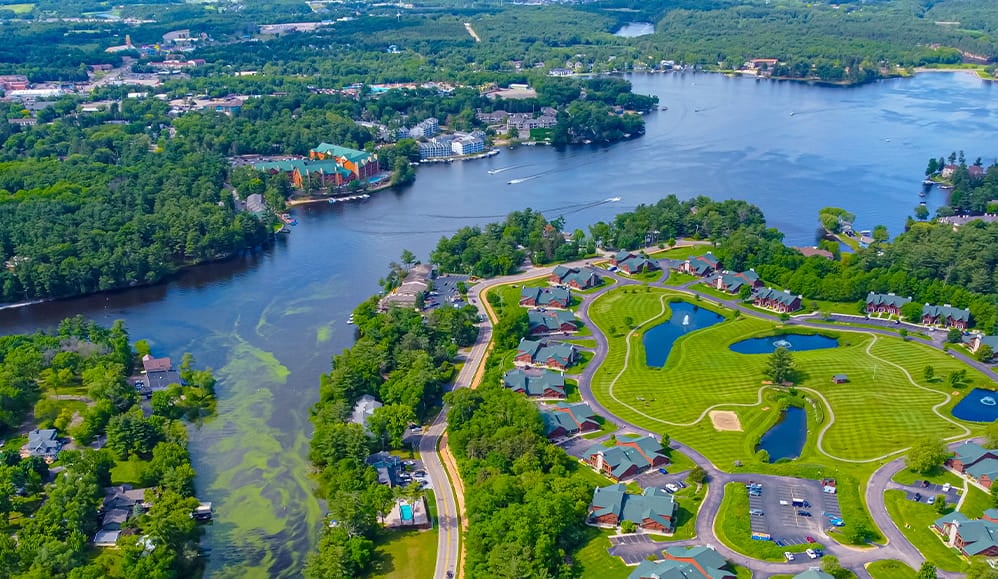
Lake Delton is the heart of the resort district and is arguably the most convenient spot for a beginner to get their feet wet. Because of its location, it’s a favorite for those staying at Natura Beach Resort.
The Strategy: To have the best experience on Lake Delton, timing is everything. During peak summer afternoons, the lake can get busy with powerboats. For beginners, we recommend "smart timing": head out in the early morning or on weekdays when the water is like glass. Sticking to the coves and shorelines provides a natural buffer from the main traffic channels, allowing you to find your balance in peace.
The Natura Tie-In: If you’re staying at Natura Beach Resort, you have the ultimate "wake up and paddle" setup. You can grab your coffee, walk down to the private beach, and be on a free kayak before the rest of the world even hits the breakfast buffet.
Land of Natura: Low-Commitment Beginner Sessions
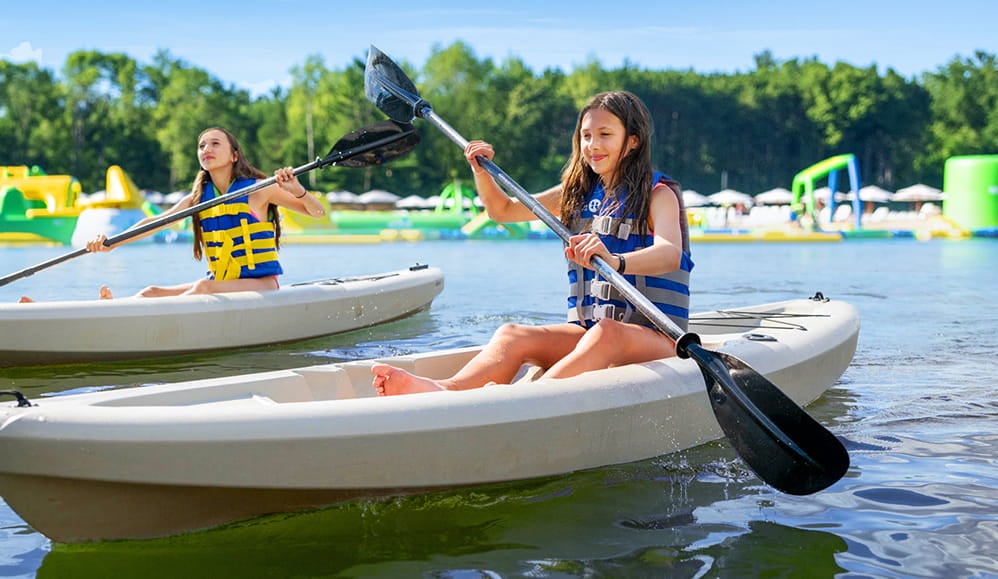
Sometimes you don’t want a three-hour expedition; you just want to see if you can actually paddle around and control your kayak without tipping over. Land of Natura is the perfect laboratory. Paddle boards, kayaks and rafts are available for rent.
Why it works: We offer low-commitment rental slots in 30 to 60-minute increments. This is ideal for families with kids who have short attention spans or for the first-timer who isn't sure they want to commit a whole afternoon to the activity. You can reserve your slots online ahead of time to guarantee your spot, or simply rent kayaks on-site when the mood strikes. It’s easy, accessible, and high-reward.
Mirror Lake State Park: A Paddler’s Sanctuary
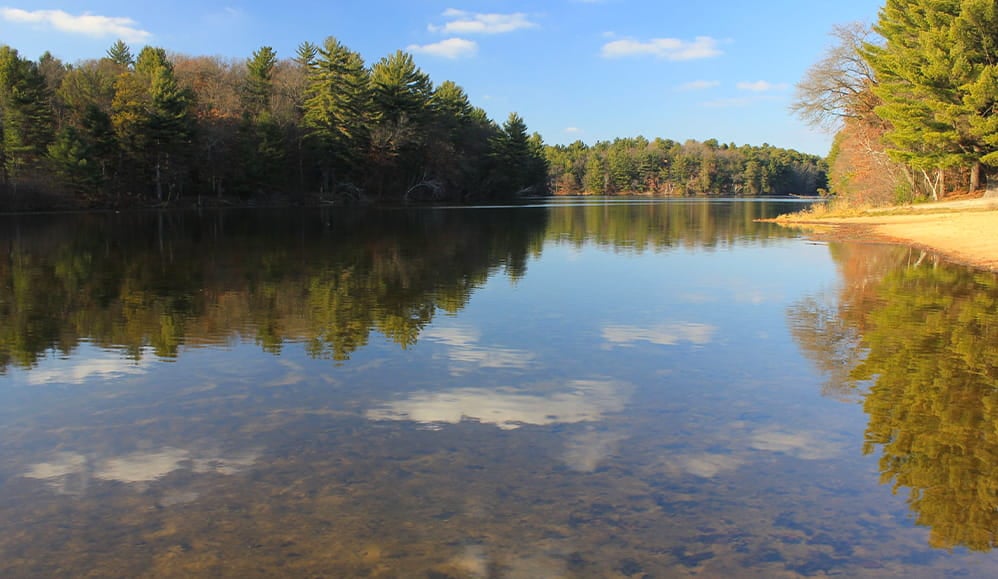
Mirror Lake is famous for a reason: its water is so calm that it perfectly reflects the surrounding sandstone cliffs and pine trees, earning its name a thousand times over.
The Experience: The entire lake is a slow-no-wake zone, meaning you won’t have to worry about the waves from speedboats. It’s a peaceful sanctuary that features on-site rentals and even adaptive kayak equipment, making the water accessible to everyone regardless of physical ability.
2026 Construction Warning: If you’re planning a visit in early 2026, take note: Mirror Lake is undergoing some infrastructure improvements. The boat landing parking lot and boat launch are expected to be closed from approximately February through mid-June 2026. If you’re visiting during this window, be sure to check local park alerts for alternative access points or stick to our Lake Delton basecamp.
Dell Creek: The Confidence Builder
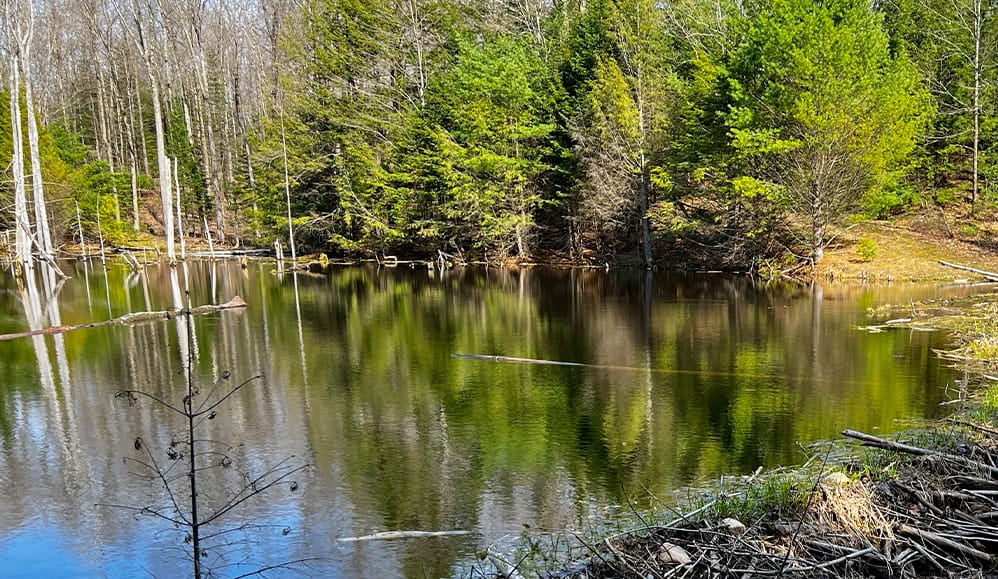
If you find Mirror Lake a bit too crowded, head to Dell Creek. This is the feed-in for Mirror Lake and offers one of the most protected, calm paddles in the region.
The "Easy Paddle" Concept: This is a narrow, winding waterway that is shielded from the wind by thick forest and rock walls. It’s the ultimate confidence builder for beginners because the water is shallow and the current is nearly non-existent.
The "Level-Up" Moment: For those looking to push themselves just a little bit, Dell Creek leads toward the Mirror Lake dam. Navigating toward the dam and considering a short portage (carrying your kayak over a small stretch of land) is a great way to "level up" your skills and feel like a true explorer.
The Wisconsin River: The Scenic Upgrade
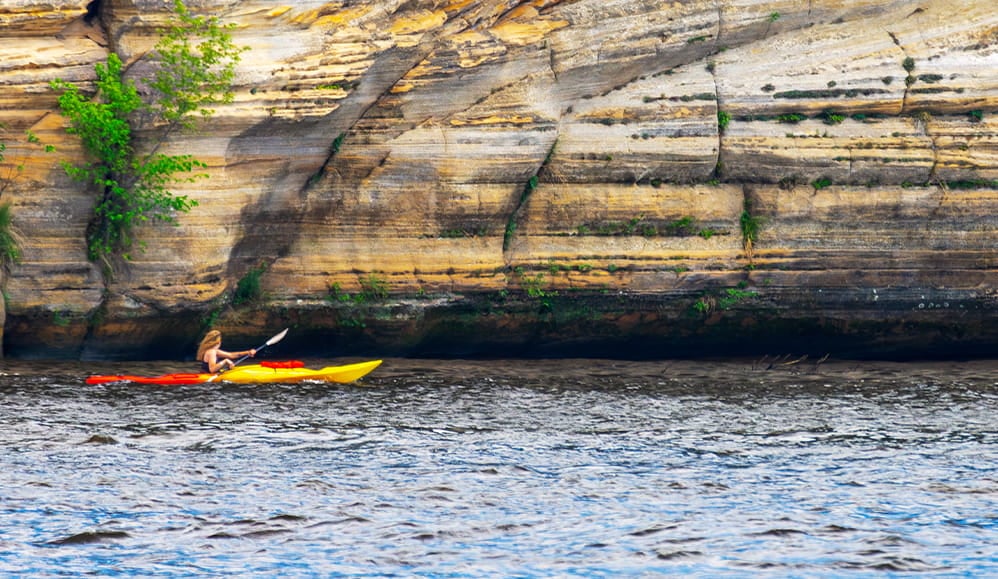
When you’ve mastered the basics on Lake Delton or Mirror Lake and you’re ready for the big show, it’s time for the Wisconsin River. This is the route you take when you want that iconic, towering cliff scenery and are ready for a slightly bigger challenge.
Know the Hazards: Unlike the "no-wake" lakes, the river is a dynamic environment. You need to be aware of:
- Currents: The river moves, and while it's usually gentle, it requires more effort to paddle upstream.
- Sandbars & Drop-offs: The river depth changes constantly. One minute you’re in twenty feet of water, and the next you’re bottoming out on a hidden sandbar.
- Boat Traffic: You’ll be sharing the water with Dells tour boats, so keep an eye out for their wakes.
Understanding the Wisconsin River: Upper vs. Lower Dells
The Wisconsin River is the heart of our region, but it’s actually managed in two distinct sections divided by the Kilbourn Dam. Each offers a unique flavor of adventure for beginners.
1. The Upper Dells: Dramatic & Iconic
If you’ve seen a postcard of the Wisconsin Dells, chances are it was a photo of the Upper Dells. This is where you’ll find the most iconic rock formations, including Witches Gulch and Stand Rock.
For beginners, the Upper Dells are a dream because the water is generally calm. The high cliffs act as a natural windbreak, keeping the surface relatively smooth. You’ll feel like you’re paddling through a prehistoric canyon.
- The Tour Boat Factor: The Upper Dells are popular. You will share the water with large tour boats. These boats create wakes (waves). Don't panic! The trick is to turn your kayak so the bow (the front) points directly into the wave. Ride it out like a pro, and you’ll be fine.
2. The Lower Dells: Open & Serene
The Lower Dells, south of the dam, have a completely different vibe. Here, the river widens out, and the cliffs are shorter but no less beautiful. You’ll pass by the Rocky Islands and see some expansive sandy beaches.
The Lower Dells are perfect if you want a bit more sunshine and space. The current is usually gentle, but because it’s wider, you might encounter a bit more wind. It’s a great place to practice your long-distance paddling and enjoy a picnic on a sandbar.
Gear Up: What You Actually Need
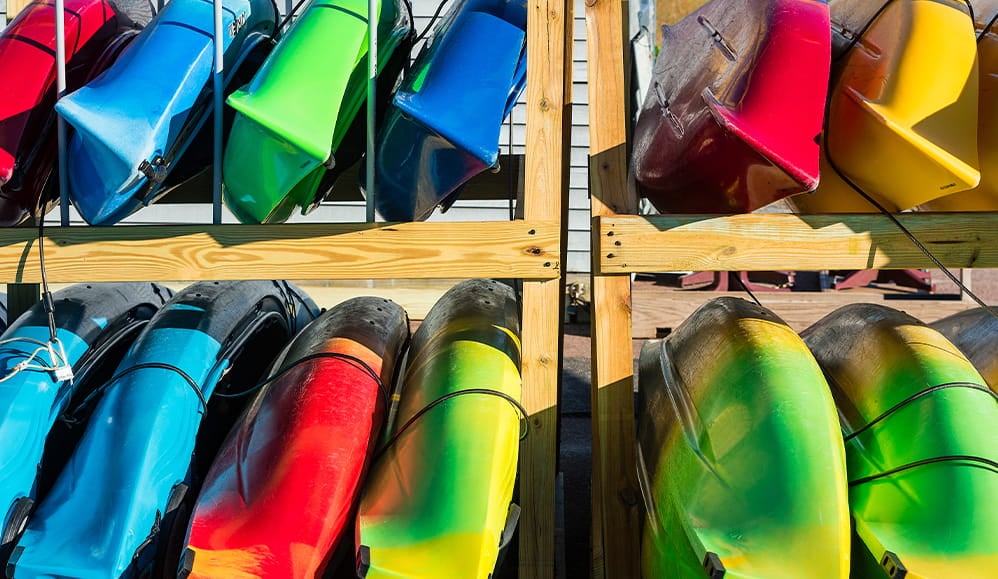
You don't need to own a high-end carbon-fiber vessel to enjoy the river. If you’re staying with us at Natura Destinations or visiting the area, local outfitters make it incredibly easy to get out on the water. Here is the essential breakdown of your gear:
The Kayak: Sit-On-Top vs. Sit-In
For your first time, we almost always recommend a "sit-on-top" kayak. These are incredibly stable, wide, and virtually impossible to sink. If you do happen to tip (which is rare!), you just climb back on. Sit-in kayaks are great for keeping you dry and offer a bit more speed, but they can feel a little more "tippy" to a brand-new paddler.
The Paddle
Your paddle is your engine. Most rentals provide lightweight aluminum or plastic paddles. A quick tip: make sure the "scoop" or concave side of the blade is facing you. If you’re paddling with the back of the blade, you’ll be working twice as hard for half the speed!
Safety First: The PFD
Your Life Jacket (Personal Flotation Device) is non-negotiable. Even if you’re a champion swimmer, river currents and unexpected obstacles require respect. Wear it properly, clipped and snug—don’t just use it as a seat cushion or tuck it under the bungee cords.
The "Dry" Essentials
- Dry Bag: Essential for your phone, keys, and camera.
- Sunscreen & Hat: The sun reflects off the water, doubling your exposure. Even on cloudy days, that "river tan" (read: burn) is real.
- Polarized Sunglasses: These allow you to see into the water rather than just the glare on top of it.
- Water & Snacks: Stay hydrated! Even a gentle paddle burns calories.
Master the Technique: Kayaking 101
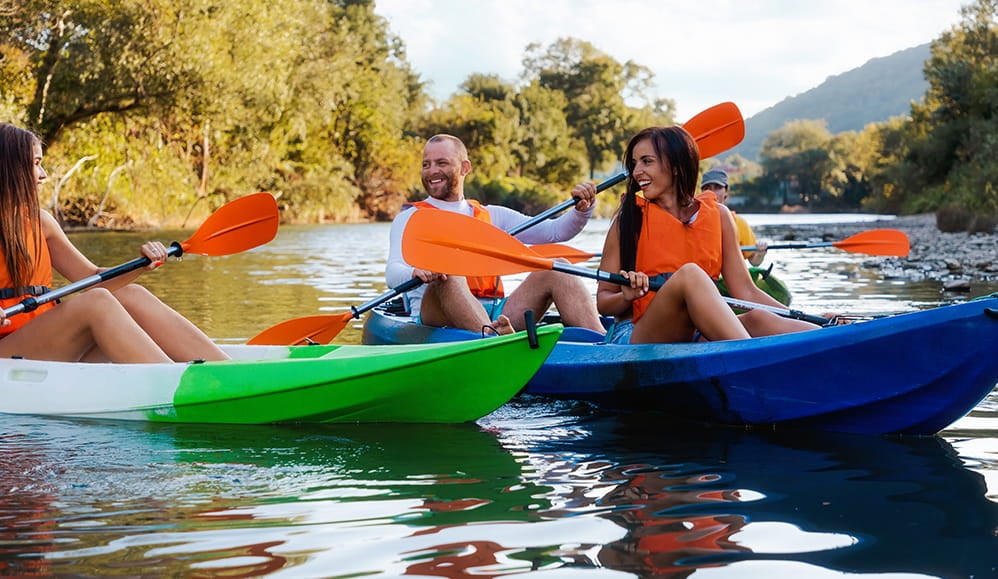
Before you push off from the shore, let’s talk technique. Good form makes the difference between a relaxing afternoon and sore shoulders the next morning.
1. The Perfect Grip
Hold your paddle with both hands, about shoulder-width apart or slightly wider. If you rest the paddle on top of your head, your elbows should form a 90-degree angle. This is your "power box."
2. The Forward Stroke
Don't just pull with your arms. Think of your arms as an extension of your torso. Immerse the blade fully near your feet and rotate your core to pull the blade through the water. By using your back and abdominal muscles, you’ll have way more endurance.
3. Turning & Braking
To turn right, paddle only on the left side. To stop or slow down, simply place your paddle in the water and hold it steady, or use short "back-paddles" (paddling in reverse).
Navigating the River Like a Local
The Wisconsin River is a living thing, and it deserves respect. Here are a few "unwritten rules" of the river:
- Stay Right: Just like driving a car, stay to the right side of the channel when passing other boaters.
- Avoid "Strainers": A strainer is a fallen tree or branch in the water. They look harmless, but the current can push your kayak into them and trap you. Give them a wide berth.
- Mind the Sandbars: The river depth changes constantly. If you see ripples or "white water" over a shallow area, you might be about to bottom out. Stick to the darker, deeper water.
- Wildlife Etiquette: You’ll likely see bald eagles, cranes, and maybe even a river otter. Enjoy them from a distance. If they change their behavior because of you, you’re too close.
Seasonal Considerations: When to Go
Spring: The water is high and the current is strongest. This is great for experienced paddlers but can be a bit intimidating for brand-new beginners. The cliffs are often dripping with spring melt, which is beautiful.
Summer: The peak season. The water is warm, the current is gentle, and the beaches are calling. This is the best time for beginners, but be prepared for more company on the water.
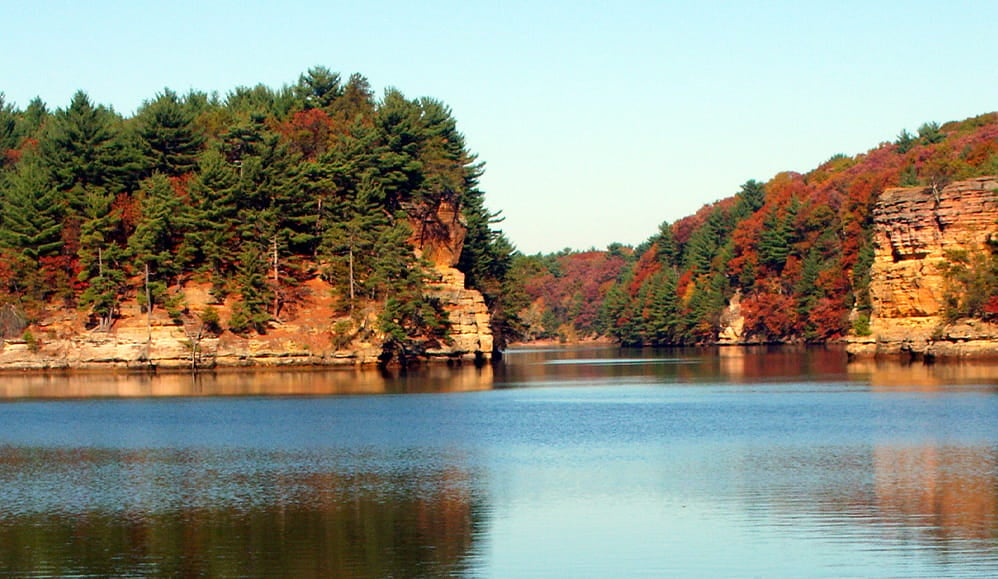
Fall: In our opinion, this is the "hidden gem" season. The changing leaves against the red sandstone are breathtaking. The air is crisp, the crowds have thinned, and the water is usually very calm. Just remember to dress in layers!
Safety Checklist for Beginners
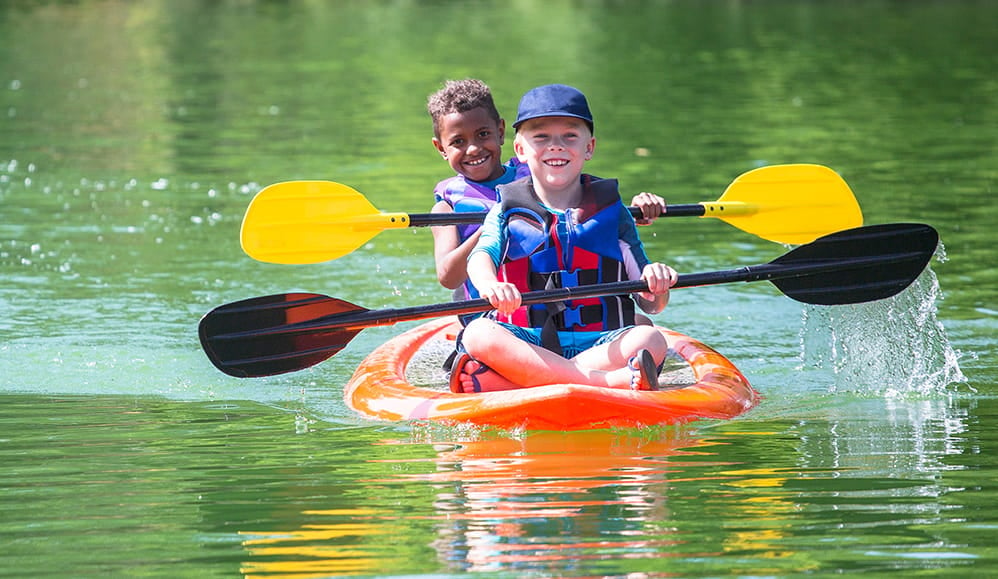
- Check the Flow Rate: Before heading out, check the USGS water data for the Wisconsin River at Wisconsin Dells. If the flow is exceptionally high, wait for another day.
- Tell a Friend: Always let someone know your "float plan"—where you’re starting, where you’re ending, and when you expect to be back.
- Dress for the Water, Not the Air: If the air is 75 degrees but the water is 55, dress as if you might fall in. Synthetic fabrics (no cotton!) are your best friend because they dry quickly.
- Stay Sober: Save the craft beers for the post-paddle celebration at Land of Natura. Being on the water requires your full attention and coordination.
Make it a Full Day of Adventure at Land of Natura

After you’ve conquered the river and your arms are feeling that "good tired," there’s no better place to retreat than Land of Natura. We designed our park to be the ultimate home base for outdoor lovers.
- Lake-ish: Not ready to leave the water? Take a dip in America's largest naturally filtered lake. It’s crystal clear and perfect for a cooling soak.
- Refuel: Head over to our dining areas for a hearty meal. You’ve earned those calories!
- Relax: Find a spot on the beach or take a stroll through our wooded trails to decompress after your river excursion.
Kayaking the Wisconsin Dells isn't just about the physical act of paddling—it's about the connection to the land, the history of the river, and the pure joy of discovery. It’s an accessible adventure that anyone can enjoy with just a little bit of preparation.
So, grab a paddle, take a deep breath of that fresh Wisconsin air, and we’ll see you on the river!
Ready to start your adventure? Check out our park maps and plan your visit to Land of Natura today!